I love you, Dragon Age Origins
Imagine a game where you and a bunch of hot people take down fantasy George W. Bush.
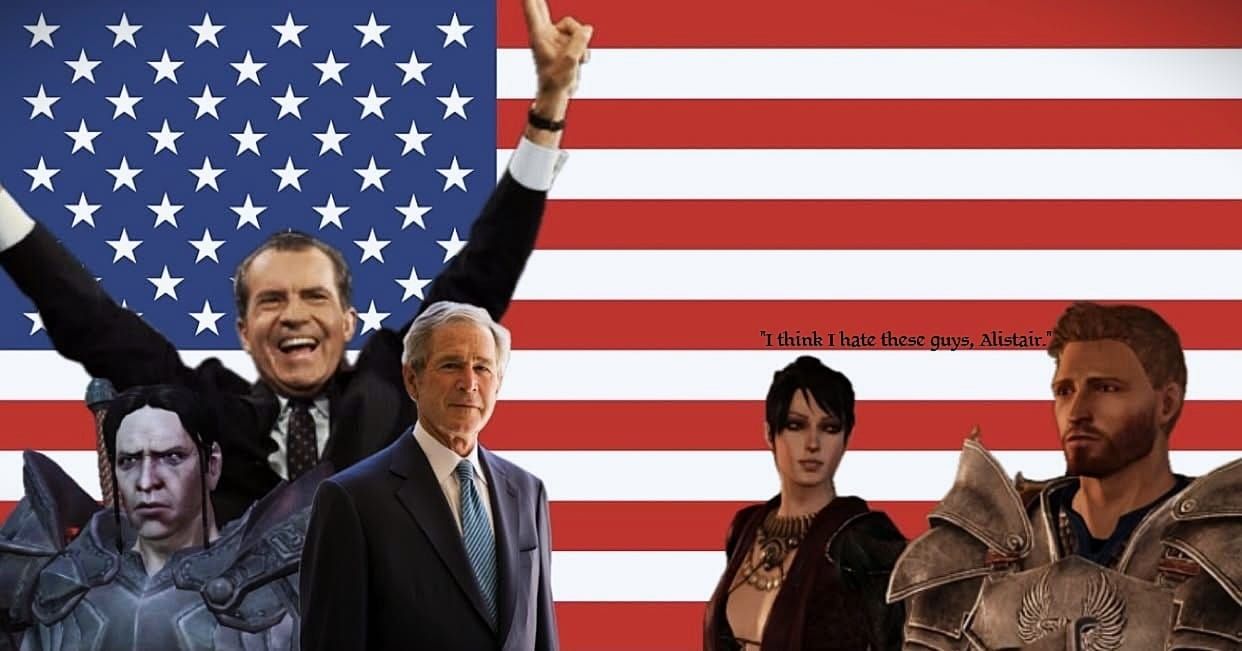
Let me tell you, George W. Bush had some influence. That influence was... well bad, but hey some of my favorite media came during his reign as the 43rd President of the United States. American Idiot was a top album of my childhood, and the Star Wars prequels saw more time in the family DVD player than anything else we had. However, there's one that eluded me until a very good friend of mine recommended it to me in my college years: Dragon Age Origins. Granted, this video game was released in 2009 during Obama's first term, but it's hard to miss the parallels between this game and the manufactured forever wars in the Middle East. Preceding the release of this game, the Gulf War and the wars in Iraq and Afghanistan served as the most recent examples. Now of course we have the just as stupid war with Iran, so Dragon Age Origins remains evergreen!
Whether or not developers of the game seem to recognize this, they have at least made a space for players to do something about it. In the beginning of the game, the player joins an organization called the Grey Wardens. They're meant to defend the world against the Blight, an event where violent demons called Darkspawn invade. The game takes place during the Fifth Blight in the nation of Ferelden. The player and their Grey Warden cohorts participate in the first big battle with the darkspawn, along with Loghain and the King of Ferelden. However, Loghain decides to withdraw his troops in the middle of battle, leaving the King and most of the Grey Wardens to die. This creates a new power vacuum for him to fill, and to avoid fingers being pointed at him for the needless slaughter, he directs the public outrage toward the Grey Wardens. Afterall, they're supposed to protect the world from the Blight and they failed, even though they're the only ones who can kill the Archdemon and end the Blight due to having Darkspawn blood. See, when an archdemon dies their soul moves to the closest darkspawn to reincarnate, Grey Warden blood swindles this soul into going to them, but instead of reincarnating both the soul and the warden die permanently, ending the Blight.
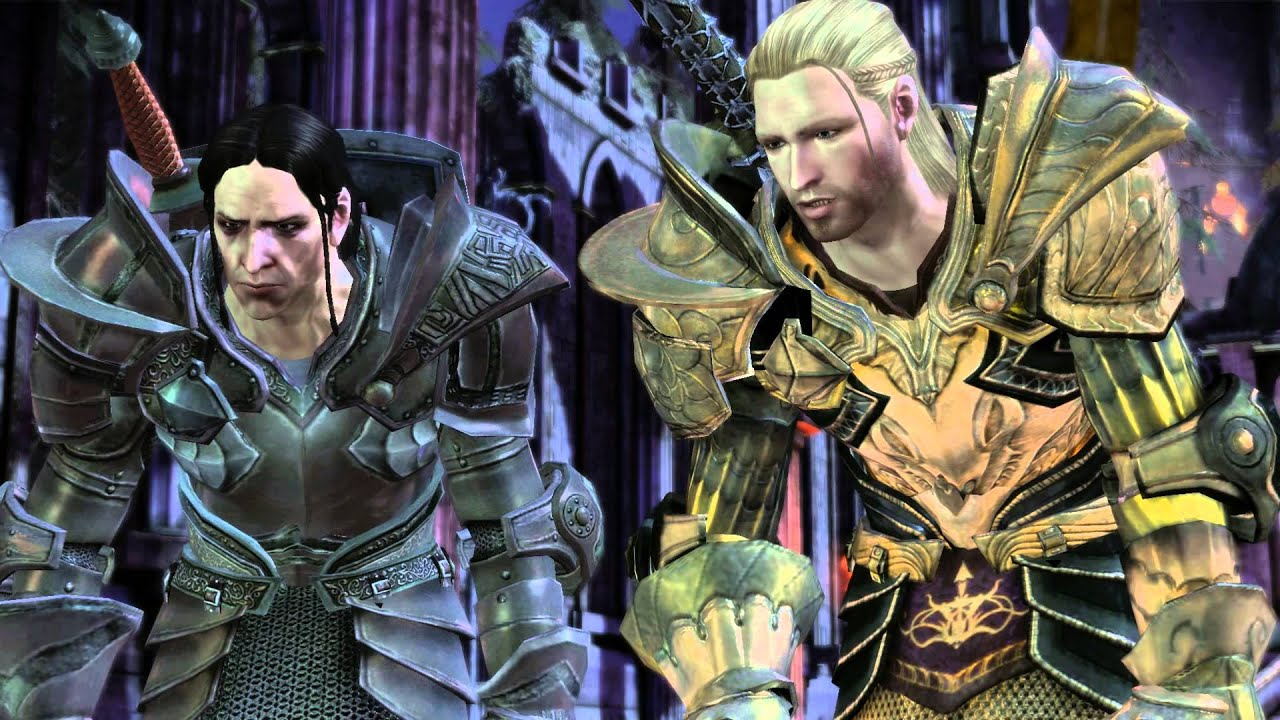
Loghain knows this, of course. Yet, letting the Blight end means there's nothing to campaign on. He cannot be the hero of the Fifth Blight if it ends so abruptly by some rogue warden with nothing to lose. He couldn't so easily make his case for taking the throne either. Historically, military leaders love securing power. Think of Napoleon after the French Revolution, or Joseph Stalin after the death of Lenin. All militaristic men taking advantage of a vacuum to satiate a lust for power. In the case of the United States, politicians are often said to let issues fester into platforms to run for election. Why actually solve crisis when you can just promise to do it to sway voters?
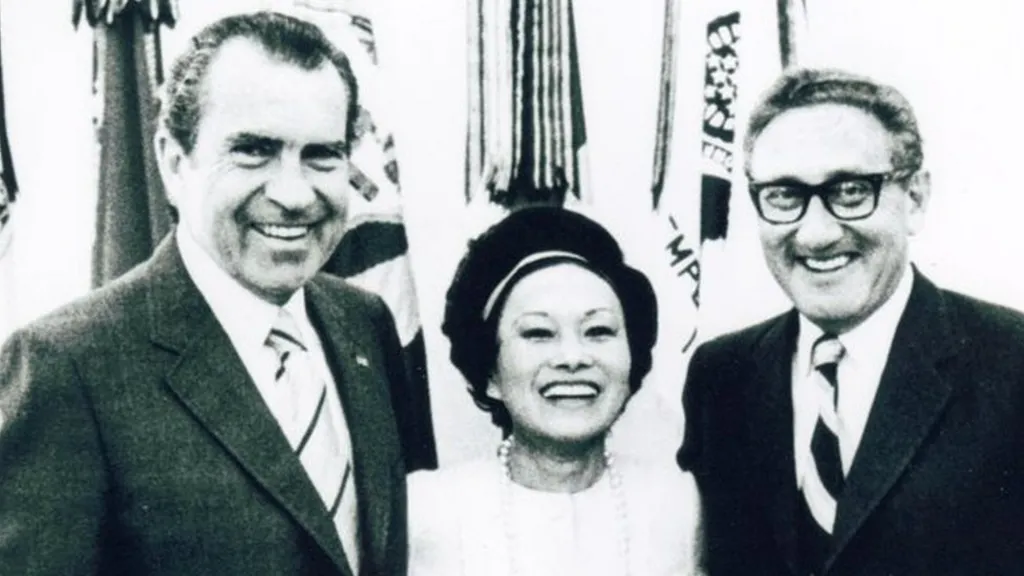
A prime example happened in 1968, when presidential candidate Richard Nixon sought to delay peace talks during the Vietnam War in order to harm the Democratic Party's image before the election. Vietnam was of course one of the most unpopular wars in the history of the United States for a myriad of reasons such as it being the first televised war and the use of the draft. President Lyndon B. Johnson ending it would have scored big political points for his party, but Nixon being a Republican candidate wished for nothing more but to stand in the way. He had a prominent Republican Party member named Anna Chennault use her ties in Southeast Asia to get ahold of the South Vietnamese president and try to convince him to remain at war. Obviously the war was devastatingly unpopular, but South Vietnam didn't necessarily want to lose and the withdrawal of American aid would certainly harm the cause. Nixon was, of course, successful in his efforts and he secured the presidency. Meanwhile, the war went on for several more years, ending in 1975, a year after Nixon resigned.
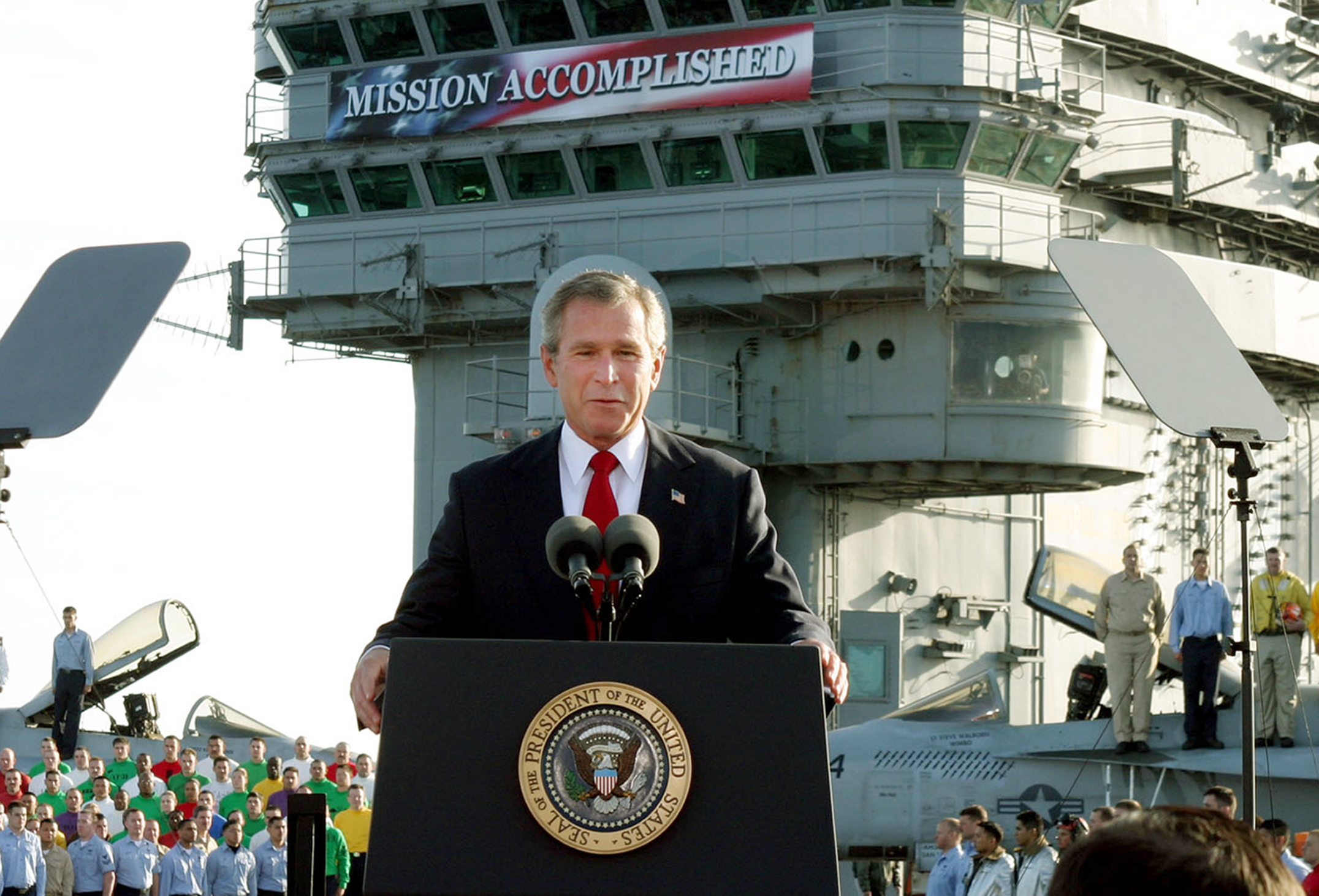
In the weeks after 9/11, George W. Bush's approval rating soared to 90%, then steadily declined to 34% by the end of his second term. Crisis can help. In this case there was certainly support for the invasions of Iraq and Afghanistan. Perhaps more so than Vietnam given the attacks on U.S. soil. We know now that U.S. interests in the Middle East revolve around oil, but at the time Bush milked this opportunity dry. Who will bring us out of these dark days? Who will churn the thirst for blood into a war cry? Who will exact revenge on our behalf? "Me," said the former stakeholder of the Texas Rangers. So, what was to stop Loghain from doing the same as Bush or Nixon? That comes down to the player.
After the first major battle, the player is tasked with rallying the forces of Ferelden against the Blight and Loghain. Along the way they also gather a bunch of companions that don't get along on the surface, but unite under the player and for a singular cause. Whatever their motivations may be, they work together one way or another. Once the Grey Wardens and their allies are gathered for the final battle, Loghain is only there if the player forces him to be. He was never going to solve the issue because he vilified the very organization with the power to stop it. Nixon stood in the way of any effort to end the Vietnam War early. Bush sent Americans to war with a country that stood in the way of the aforementioned U.S. oil interests based on lies around nuclear weapons. He let us fall apart domestically while funneling money toward the military. He thought it would keep the approval rating up. He thought he could drum up a WW2 style homefront where everybody has bought into the patriotic can-do attitude.
Incorrect, Mr. Bush! Bombing the Middle East has never improved my life in any way, shape or form! Although, it certainly has ruined lives!
Loghain's withdrawal of troops from that first battle led to so many deaths in Fereldan. Even if his armor remained spotless, his hands are certainly bloody. Just like Bush's. Just like Nixon's. Just like every architect of a manufactured crisis that's meant to distract us from real material progress. Things that could drastically improve our lives. Imagine a world where instead of trillions of dollars to whatever war or genocide the United States is funding that day, we funded universal healthcare or universal basic income. Things that could actually save lives, rather than taking them. Of course, that wouldn't make those in power any richer now, would it? I guess once again it's down to the players.
At the end of the game, after the Archdemon and Loghain are defeated, the player can decide who will take the throne of Ferelden. In my case, I had the lovable doofus Alistair take his rightful place. However, if the player wishes they could allow the former king's widow, Anora, to take the throne. They could also have her marry Alistair or even marry her themselves. After the final choices are made, the player can see the results of their influence on the story via descriptions of the fate of Ferelden and their companions. In a perfect world, change would be as simple as pressing a few buttons on a controller. I'd be basically living out the story of the movie Click starring Adam Sandler. Just pointing my xbox controller at Donald Trump and pressing A to get him to stop all of that. Unfortunately change is hard and grueling. Dragon Age Origins tells a story that's all too common in the real world, but one that actually inspires. In a time where feeling powerless is so normal, I can allow this game to make me feel powerful instead. It gives players an idea of what a good future could look like so long as you're willing to fight for it. That's why I love Dragon Age Origins, and I certainly think I would've been radicalized a lot sooner if I had played it when it first came out. So, thank you to my dear friend for showing me this game. It's become a reminder that despite how difficult the journey, a better world is always possible.
Edited by Marie Bogdanoff